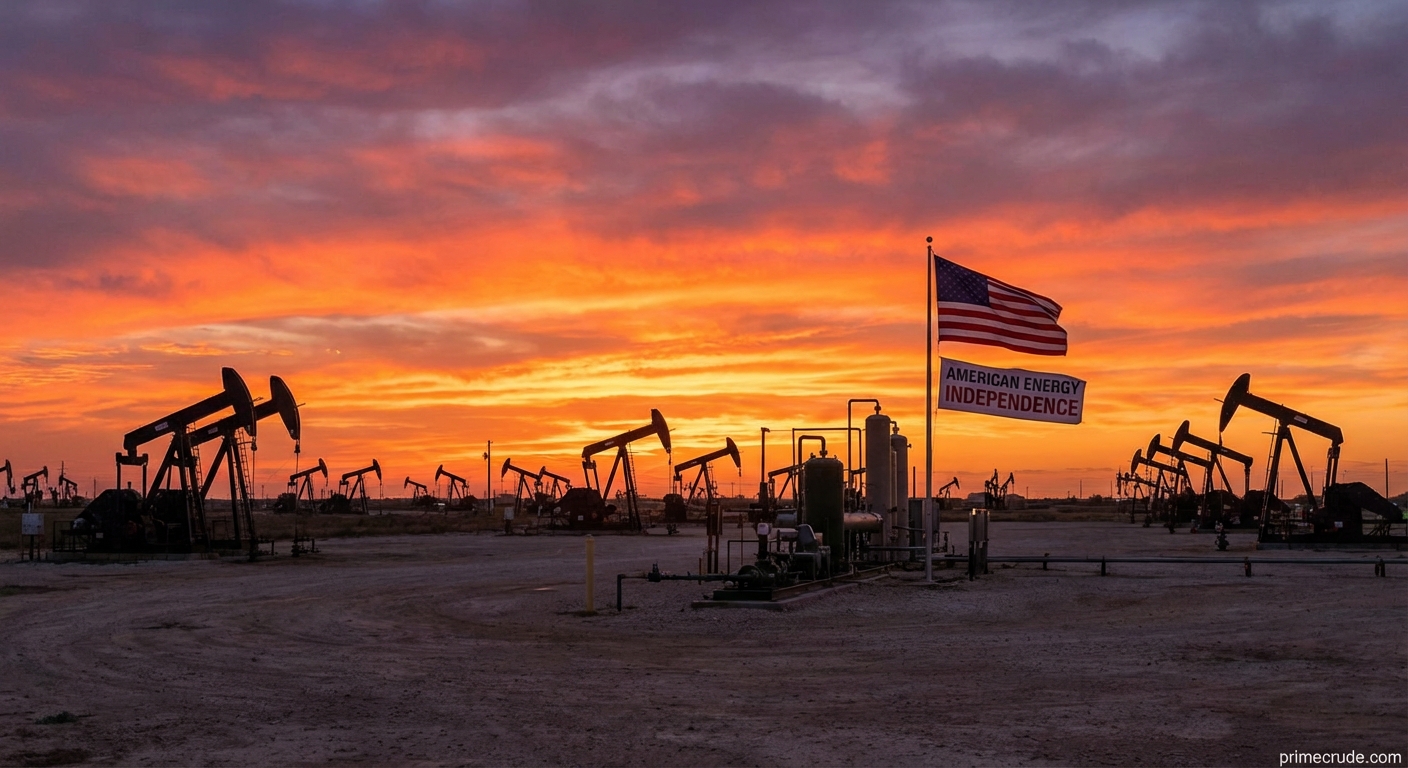
A decade ago, American energy independence seemed like political rhetoric, a goal that sounded appealing but had
little connection to reality. The United States imported millions of barrels of crude oil daily, sending hundreds of
billions of dollars annually to foreign producers. Then hydraulic fracturing and horizontal drilling unlocked vast
shale formations that geologists knew about but couldn’t economically access. By 2019, the U.S. briefly became a net
petroleum exporter for the first time since the 1940s. But where does American shale production stand in 2026, and
can the country maintain its hard-won energy independence?
The Shale Revolution Transformed American Energy
To understand where shale production stands today, we must appreciate how dramatically it has changed American
energy. In 2008, U.S. crude oil production had declined to under 5 million barrels per day, down from peaks
exceeding 9 million in the early 1970s. Imports supplied more than half of domestic petroleum consumption. Major oil
companies focused overseas, viewing the continental U.S. as a mature province with limited potential.
The application of hydraulic fracturing to horizontal wells drilled through shale rock changed everything.
Production from formations like the Bakken in North Dakota, the Eagle Ford in South Texas, and above all the Permian
Basin in West Texas exploded. By 2019, U.S. crude production exceeded 12.5 million barrels per day, surpassing both
Saudi Arabia and Russia. This wasn’t incremental growth; it was a revolution.
Technology That Made It Possible
The technologies enabling shale production weren’t individually new, but their combination created something
transformative. Horizontal drilling allows a single well to contact thousands of feet of reservoir rock rather than
just the limited interval a vertical well penetrates. Hydraulic fracturing creates artificial permeability in rocks
too tight for oil to flow naturally.
Continuous improvement refined these techniques over the shale era’s first decade. Early wells contacted perhaps
3,000 feet of lateral length; recent wells extend over 15,000 feet. Fracturing treatments evolved from relatively
simple operations to highly engineered applications using billions of pounds of specialized sand and millions of
gallons of precisely formulated fluids.
Current Production Levels and Trends
U.S. crude oil production in early 2026 stands at approximately 12.8 million barrels per day, roughly matching the
all-time highs reached before the pandemic. This figure represents recovery from the pandemic-induced decline that
briefly dropped production below 10 million barrels per day in 2020. The recovery took several years and required
higher oil prices to incentivize renewed drilling.
However, the current production level conceals important dynamics. Growth has slowed dramatically compared to the
2015-2019 boom period when production expanded by a million barrels or more annually. New well drilling rates have
recovered from pandemic lows but haven’t returned to pre-pandemic peaks. The industry structure has changed in ways
that make rapid growth less likely.
The Permian Basin Dominates
The Permian Basin accounts for approximately 45% of total U.S. crude production and an even larger share of growth.
This sprawling region covering parts of West Texas and New Mexico contains multiple petroleum-bearing formations
stacked atop one another. Operators can drill to various depths depending on their acreage position and current
economics.
Production from older shale plays has plateaued or declined. The Bakken, which ignited the shale revolution, now
produces about 1.1 million barrels per day, down from peaks exceeding 1.4 million. The Eagle Ford has similarly
leveled off. The Permian’s continued growth compensates for these mature basin declines, but the concentration of
growth in a single region increases systemic risk.
Operator Strategies Have Changed
The companies producing American shale oil operate with fundamentally different strategies than during the boom
years. Wall Street’s pressures have reshaped priorities. Where drilling activity once maximized production growth at
any cost, current operators emphasize cash returns to shareholders through dividends and buybacks. Capital
discipline has replaced the growth-at-all-costs mentality.
This shift affects production trajectories. Companies reinvest a smaller fraction of cash flow into new drilling,
returning the remainder to investors. Even when oil prices rise to levels that would have triggered frenzied
activity in earlier years, operators now respond with restraint. Their reward is higher stock prices and the ability
to access capital markets when needed.
Consolidation Among Producers
The shale industry has consolidated dramatically. Hundreds of small operators that characterized the early boom have
merged or been acquired. Large independents like EOG, Pioneer (now part of ExxonMobil), and Diamondback control
dominant acreage positions. The supermajors, initially skeptical of shale, now hold substantial positions through
acquisitions.
Larger operators behave differently than small independents. They can absorb price volatility without distress, but
they also feel less compelled to grow at any cost. Their publicly traded status subjects them to investor scrutiny
that rewards discipline over aggression. The industry’s new structure reinforces the measured growth trajectory.
Infrastructure Constraints and Solutions
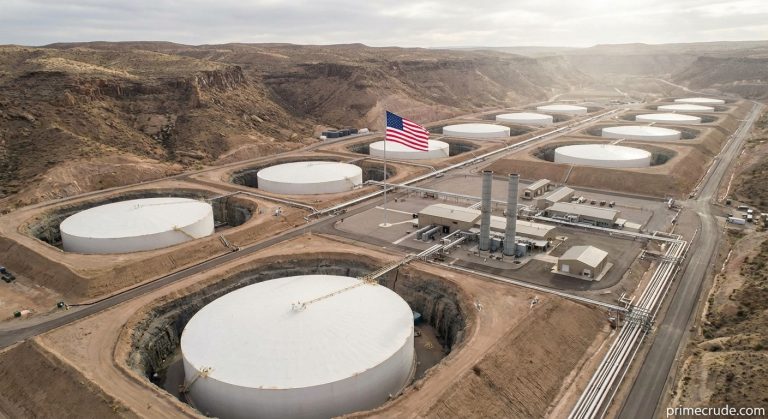
Moving oil from shale wells to refineries and export terminals requires extensive midstream infrastructure.
Pipelines, gathering systems, and processing facilities must keep pace with production or become bottlenecks. The
Permian Basin particularly has experienced periods when pipeline capacity lagged behind drilling activity.
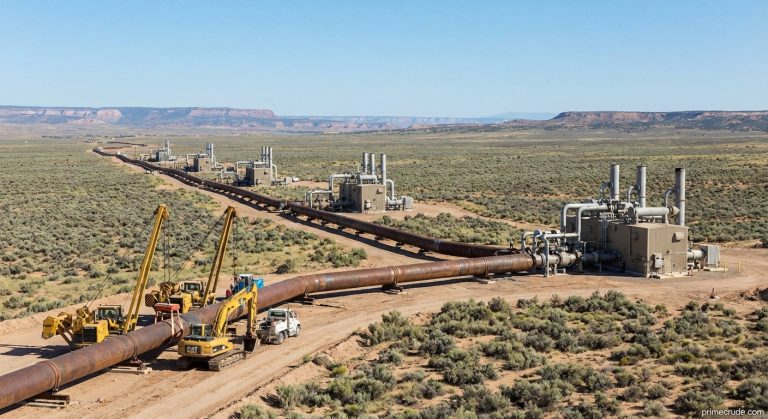
Significant pipeline expansions completed between 2019 and 2023 largely resolved Permian takeaway constraints.
Multiple new lines to the Gulf Coast and existing line expansions provide adequate capacity for current production
levels with headroom for growth. However, further major expansions face permitting challenges and uncertain demand
given production growth expectations.
Export Capacity Continues Expanding
American crude oil exports have grown from near zero (due to legal restrictions lifted in 2015) to over 4 million
barrels per day. Gulf Coast export terminals can load the largest tankers serving international markets. This export
capacity provides crucial market access for shale production that exceeds domestic refinery demand for light sweet
crude.
The ability to export connects American producers to global pricing rather than trapping them in a discounted
domestic market. During periods of Permian production growth exceeding pipeline additions, wide price differentials
between West Texas and Gulf Coast prices signaled the bottleneck. Current infrastructure generally avoids such
extreme disconnects.
What Energy Independence Actually Means
The energy independence concept requires careful definition. The United States still imports crude oil, roughly 6
million barrels per day in early 2026. However, it also exports crude oil, refined products, and natural gas. On a
net basis, considering all imports and exports, the U.S. is roughly energy self-sufficient for petroleum products
and a significant net exporter of natural gas.
This situation differs from autarky, complete isolation from international energy markets. American refineries were
designed for heavier crude grades that domestic shale doesn’t provide. Importing heavy oil from Canada and elsewhere
while exporting light shale oil makes economic sense. The trade flows reflect refinery optimization rather than
dependence.
Strategic versus Economic Considerations
From a strategic perspective, U.S. energy position has improved dramatically. The country is not dependent on any
single foreign supplier for essential energy. Disruptions to Middle Eastern oil flows, while causing price spikes,
wouldn’t threaten basic energy availability. The vast domestic production provides a baseline that imports
supplement rather than replace.
Economic vulnerability to oil price fluctuations remains. American consumers still pay global market prices for
gasoline regardless of where the crude was produced. When OPEC decisions or geopolitical crises spike oil prices,
Americans feel the impact at the pump just as they did when the country imported half its petroleum.
Challenges Facing Shale Producers
Maintaining current production levels, let alone growing output, requires addressing several challenges. The
resource base, while vast, is not unlimited. The best acreage in mature plays like the Bakken has been substantially
drilled. Even in the Permian, operators increasingly drill “Tier 2” and “Tier 3” locations after exhausting the
highest-quality sites.
Well productivity trends illustrate the resource quality issue. Average initial production rates, after climbing for
years as drilling technology improved, have plateaued in most basins. Further technology gains continue, but they’re
increasingly offset by drilling into poorer rock. More wells are required each year just to maintain flat
production.
Labor and Equipment Constraints
Skilled workers remain scarce in the oil patch. Layoffs during the 2020 crash and subsequent slow rehiring dispersed
experienced personnel. Younger workers, observing the industry’s boom-bust volatility, often choose other careers.
Training new workers takes time that pressure to increase activity doesn’t allow.
Equipment availability similarly constrains expansion. Drilling rigs that were scrapped or cold-stacked during
downturns cannot be quickly reactivated. Frac crew shortages limit the pace of well completions. While these
constraints aren’t absolute, they limit how rapidly total industry activity can expand even when operators want
faster growth.
Regulatory and Environmental Pressures
Both federal and state regulations affect shale operations. Rules governing induced seismicity restrict disposal
well injection in some areas. Methane emission standards require monitoring and mitigation. Air quality regulations
constrain flaring of associated natural gas. These requirements add costs and complexity that affect profitability.
Opposition to fossil fuel development has intensified. Climate activists campaign against pipeline permitting and
new drilling leases. Some financial institutions face pressure to reduce fossil fuel lending. While these pressures
haven’t stopped shale development, they add uncertainty and cost that influence industry planning.
Natural Gas Production Tied to Oil
Perhaps the overlooked aspect of shale oil production is the natural gas that comes with it. Many shale oil wells
produce significant volumes of associated gas. The Permian Basin alone produces over 15 billion cubic feet per day
of natural gas, making it a major contributor to U.S. gas supply.
This gas production has profound implications. Abundant shale gas has suppressed domestic natural gas prices,
providing cheap fuel for power generation and manufacturing. LNG exports have grown from zero to over 13 billion
cubic feet per day, making the U.S. the world’s largest LNG exporter. European countries turned to American LNG when
Russian supplies became unavailable.
The Flaring Challenge
When gas production exceeds takeaway capacity, operators historically flared or vented the gas. Satellites can see
the glow of Permian flares from space. This waste, environmentally damaging and economically foolish, has declined
as pipeline capacity expanded and regulations tightened. Nevertheless, flaring persists during periods of production
growth that outpaces infrastructure.
Pipeline and processing capacity for natural gas now largely keeps pace with Permian production. Major gas-focused
pipelines and gathering systems were built in parallel with oil takeaway expansions. LNG export facilities provide
international outlets for gas that exceeds domestic consumption needs.
Future Production Projections
Forecasting shale production requires assumptions about oil prices, which drive drilling activity, and about
resource quality and productivity trends. The Energy Information Administration projects U.S. crude production
averaging roughly 13.3 million barrels per day in 2027, suggesting continued modest growth from current levels.
Private forecasters offer varying projections. Some expect Permian production to continue growing for most of the
decade before plateauing as remaining drilling inventory is exhausted. Others see growth stalling sooner as investor
discipline and resource quality pressures converge. Both perspectives have merit.
Scenarios Driving Different Outcomes
Sustained oil prices above $80 per barrel would encourage more activity than current projections assume, potentially
accelerating drilling and production growth. A sustained price crash below $50 would trigger activity reductions
that could halt growth or cause declines similar to 2020.
Policy changes also matter. Opening more federal lands to drilling could expand the available resource base.
Conversely, aggressive climate policies restricting permits or imposing carbon costs would reduce activity. The
range of plausible futures for U.S. shale production remains wide.
The Global Context for American Shale
American shale functions within a global oil market where OPEC+ decisions and geopolitical events move prices. The
U.S. cannot set global oil prices through production adjustments as OPEC historically has. What it can do is respond
to price signals and help moderate price spikes through increased production when prices rise.
This responsive role proved valuable during recent energy crises. When Russian petroleum volumes faced sanctions and
buyers sought alternatives, rising American production helped fill the gap. The shale industry’s ability to grow
when needed provides a buffer that didn’t exist before the shale revolution.
LNG Exports Extend Influence
American natural gas exports, enabled by shale production, extend U.S. energy influence beyond crude oil. European
nations that once depended on Russian gas now import American LNG. Asian markets receive substantial U.S. shipments.
This export capacity provides economic benefits and geopolitical leverage that didn’t exist when the U.S. was an
energy importer.
Additional LNG export facility construction will further expand capacity through 2030. The projects now under
development could roughly double current export volumes. This expansion positions the U.S. as a global energy
supplier for decades to come.
The Energy Transition’s Impact on Shale
The global push toward lower-carbon energy creates long-term uncertainty for shale producers. Oil demand may peak
and decline as electric vehicles proliferate and climate policies intensify. When that peak arrives and how quickly
decline follows remain hotly debated questions that influence investment decisions throughout the industry.
Shale producers are positioned to navigate the transition better than some competitors. Their short development
cycles allow adjusting activity quickly as market conditions change. They haven’t committed capital to decade-long
megaprojects that might never pay back if demand declines. This flexibility reduces stranded asset risk.
Diversification Strategies
Some shale companies are diversifying into carbon capture, hydrogen production, or renewable power. These hedges
against petroleum’s decline remain small relative to core hydrocarbon operations but represent recognition that
long-term energy mix changes. The Permian’s geology may even support carbon storage that creates value from CO2
produced by other industries.
For now, shale producers remain focused on their core business. The energy transition is real but proceeding slowly
enough that oil and gas will be needed for decades. Companies earning strong returns today can afford to plan for an
uncertain tomorrow.
Conclusion
U.S. shale oil production in 2026 stands near historic highs, maintaining the energy independence that seemed
impossible just fifteen years ago. The industry has matured from frenetic growth mode into disciplined capital
allocation and measured expansion. Production should remain strong for the foreseeable future, though rapid growth
at historic rates appears unlikely.
America’s energy position has fundamentally improved because of shale. Whether measured by reduced import
dependence, expanded export capacity, or geopolitical flexibility, the shale revolution delivered real benefits.
These benefits persist even as the industry’s high-growth phase gives way to more sustainable development patterns.
Challenges remain, including resource quality decline, workforce constraints, and long-term energy transition
uncertainty. How producers navigate these challenges will determine whether domestic production grows, holds steady,
or eventually declines. For now, American shale oil remains a central pillar of both domestic energy security and
U.S. influence in global energy markets.
The shale revolution’s second act may be less dramatic than its first, but America’s transformed energy
position endures as a lasting achievement.
About the Author