Every extreme weather event brings the same story: power outages affecting millions, politicians demanding answers,
and promises to fix the grid “once and for all.” Yet each subsequent storm, heat wave, or cold snap delivers the
same results—cascading failures that leave Americans without electricity for days or weeks. The U.S. electric grid,
an engineering marvel when built but now aging and strained, struggles to cope with increased demand from
electrification, more frequent extreme weather, and the complexity of integrating renewable energy. Understanding
why the grid fails—the specific vulnerabilities, the economic tradeoffs, and the solutions being
implemented—provides context for the power outages that have become disturbingly common across the country.
Anatomy of the Grid
The American electric grid is actually three interconnected grids: the Eastern Interconnection covering states east
of the Rockies, the Western Interconnection covering Pacific states, and the Texas Interconnection (ERCOT) covering
most of Texas. Within these interconnections, power flows through transmission lines connecting generators to
distribution networks that serve homes and businesses.
Transmission lines carry high-voltage electricity over long distances; distribution networks step down voltage for
local delivery. Together, the system comprises roughly 600,000 miles of high-voltage transmission lines and millions
more miles of distribution lines—the largest machine ever built by humanity.
Age and Fragility
Much of this infrastructure is old. The average age of transmission lines approaches 40-50 years. Transformers at
substations average even older. Components designed for 40-year service lives are routinely pushed to 60-70 years,
creating reliability concerns.
Replacing aging equipment requires massive investment that utilities have historically underperformed. Rate
structures didn’t always incentivize proactive replacement. Deferred maintenance accumulated into a backlog of
vulnerable equipment.
Why Extreme Weather Causes Failures
Different weather extremes stress the grid differently. Heat waves drive demand for air conditioning while reducing
power line capacity (hot wires sag and lose efficiency). Cold snaps overwhelm heating systems while freezing
equipment not designed for low temperatures.
The February 2021 Texas winter storm illustrated cold-weather vulnerabilities. Natural gas plants, wind turbines,
and other generators failed as freeze conditions exceeded design parameters. The state came within minutes of
complete grid collapse requiring months to restore.
Storm and Flood Damage
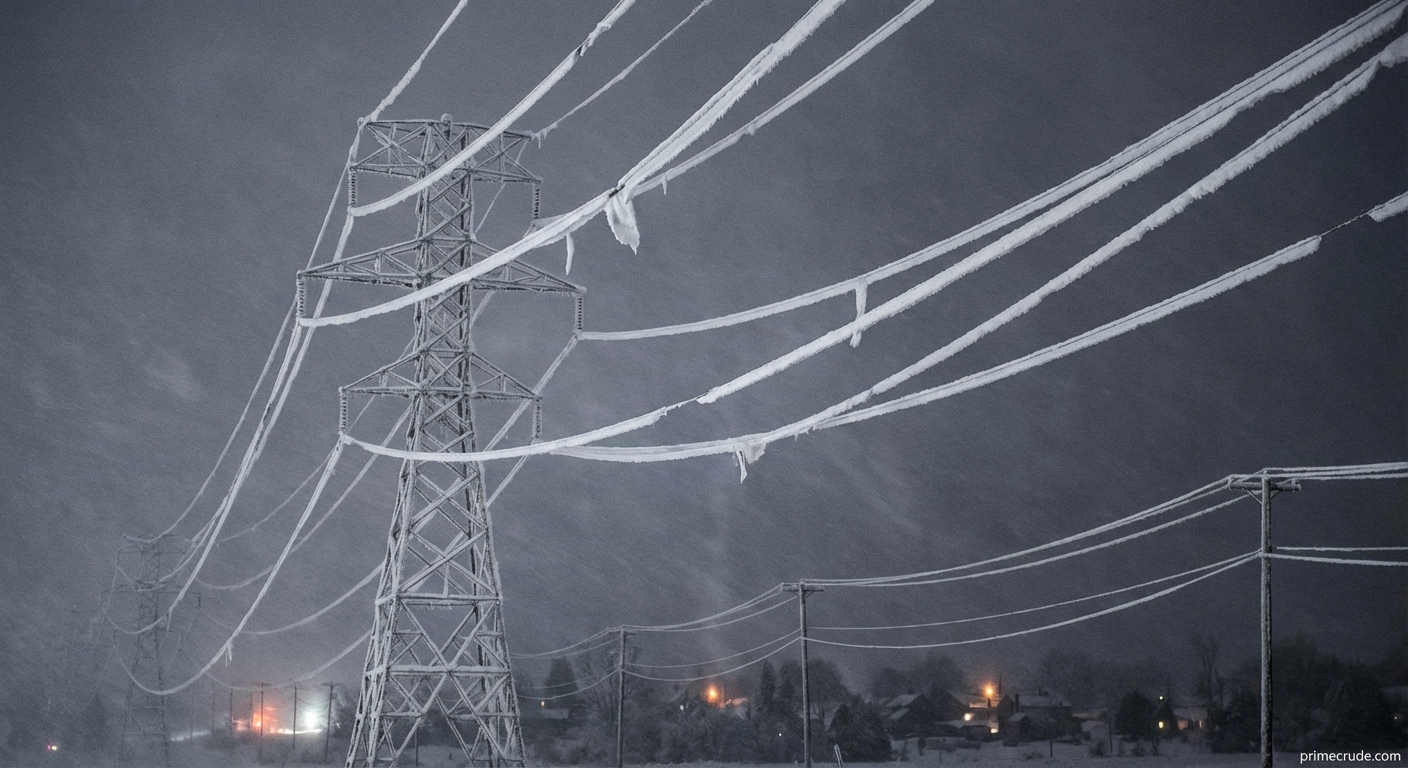
Hurricanes and severe storms physically destroy grid infrastructure—toppling poles, snapping lines, flooding
substations. Restoration requires physical rebuilding, often taking weeks in areas with extensive damage.
Wildfires create additional challenges in western states. Utilities have proactively de-energized lines during high
fire risk conditions to prevent equipment from starting fires, causing planned outages affecting millions.
| Weather Event | Grid Stress Mechanism | Recent Major Failure |
|---|---|---|
| Extreme Cold | Generation failures, gas supply freezing | Texas 2021 (4.5 million outages) |
| Extreme Heat | Peak demand, reduced line capacity | California 2020 rolling blackouts |
| Hurricanes | Physical destruction of infrastructure | Hurricane Ida 2021 (1M+ outages) |
| Wildfires | Forced shutoffs, equipment damage | California PSPS events (millions affected) |
| Ice Storms | Line and tree damage from ice weight | Northeast ice storms (repeated) |
Demand Growth and Electrification
For decades, electricity demand growth slowed as efficiency improvements offset economic growth. Now,
electrification of transportation, heating, and industry is reversing this trend. Data centers for cloud computing
and AI add massive new loads. The grid built for 20th-century demand faces 21st-century growth.
Transmission capacity hasn’t kept pace. Building new transmission lines takes 10-15 years navigating permitting,
environmental review, and landowner negotiations. Load is growing faster than transmission can be built.
Locational Mismatches
The best renewable energy resources—wind in the Great Plains, solar in the Southwest—are often far from population
centers that need power. Moving electricity from where it’s generated to where it’s consumed requires transmission
that doesn’t always exist.
Interconnections between regions are limited, preventing surplus power in one area from relieving shortages
elsewhere. ERCOT’s isolation from the Eastern Interconnection contributed to Texas’s 2021 collapse—power couldn’t
flow in from neighboring states.
The Economics of Reliability
Every improvement in grid reliability costs money that ultimately comes from ratepayers. Utilities and regulators
balance reliability investment against bill impacts. Building a grid that never fails would be prohibitively
expensive; some outage risk is accepted.
Regulatory structures affect investment incentives. Utilities earn returns on capital investment, potentially
encouraging expensive projects. Performance-based regulation ties returns to reliability outcomes, aligning
incentives with customer interests.
Who Pays for Resilience?
Major reliability investments require rate increases that can burden low-income households. Affordability and
reliability create inherent trade-offs. Assistance programs help low-income customers, but don’t eliminate the
tension.
Federal infrastructure funding through recent legislation is helping defray some costs, enabling improvements that
ratepayers couldn’t bear alone.
Organizational Challenges
Grid reliability depends on coordination among thousands of entities: utilities, generators, transmission operators,
regulators at multiple levels. This fragmented structure complicates coordinated action and investment.
Federal jurisdiction over high-voltage transmission (through FERC) overlaps with state utility regulation. Different
priorities and political pressures across jurisdictions can impede solutions requiring regional coordination.
Market Design Issues
In restructured electricity markets, generators are paid for energy produced, not capacity maintained. This can
under-incentivize reliability investment since generators aren’t rewarded for being available when critically
needed.
Capacity markets attempt to address this by paying for availability, but design flaws have sometimes failed to
ensure adequate resources during extreme conditions.
Solutions Being Implemented
Despite challenges, grid improvements are underway. Grid modernization programs install sensors, automation, and
communication systems that detect and isolate faults faster, limiting outage scope. Self-healing grid concepts
enable automatic rerouting around problems.
Hardware upgrades strengthen poles, underground vulnerable lines, and replace aging transformers. These investments
are proceeding, though not at a pace that eliminates reliability gaps quickly.
Battery Storage
Grid-scale battery storage addresses reliability by storing energy during normal periods for release during
emergencies. Batteries can respond in milliseconds, faster than any generator, to stabilize frequency and prevent
cascading failures.
Battery deployment is growing rapidly, but current capacity represents a tiny fraction of what’s needed for
comprehensive reliability improvement.
Microgrids and Distributed Resources
Microgrids—self-contained systems that can operate independently from the main grid—provide reliability for critical
facilities like hospitals, data centers, and military bases. During main grid failures, microgrids island and
continue serving local loads.
Distributed generation from rooftop solar, combined with battery storage, provides similar resilience at smaller
scales. Homes with solar-plus-storage can weather outages that leave grid-dependent neighbors in the dark.
Community Resilience
Some communities are developing local resilience strategies combining distributed generation, storage, and
microgrids. Community solar with storage, resilience hubs at community centers, and neighborhood-scale systems
provide collective protection.
These approaches work best for communities with resources to invest. Environmental justice concerns focus on
ensuring vulnerable communities aren’t left behind as resilience becomes a priority.
Climate Change Acceleration
Climate change is making extreme weather more frequent and severe, accelerating grid reliability challenges faster
than improvements can keep pace. What once were 50-year storm events now occur multiple times per decade.
Planning standards based on historical weather may no longer be adequate. Forward-looking standards that anticipate
increased extremes require more investment than backward-looking approaches.
Adaptation Requirements
Adapting grids to climate change means hardening against conditions that were historically rare. Building to more
extreme standards costs more. Deciding how extreme to plan for involves uncertain climate projections and difficult
cost-benefit analyses.
Some investments are no-regret: better vegetation management, replacing the oldest equipment, adding sensors and
automation. Others depend on judgment about future climate trajectories.
What Consumers Can Do
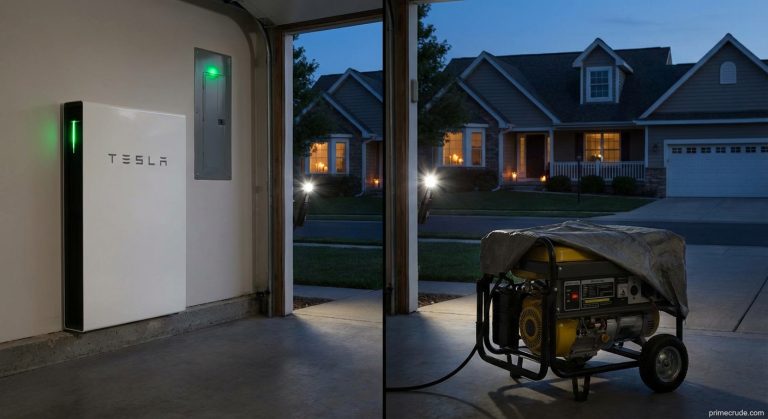
While systemic grid improvement requires utility and regulatory action, consumers can improve personal resilience.
Backup power systems (generators or batteries), reduced dependence on electric-only heating in cold climates, and
basic emergency preparedness help weather outages.
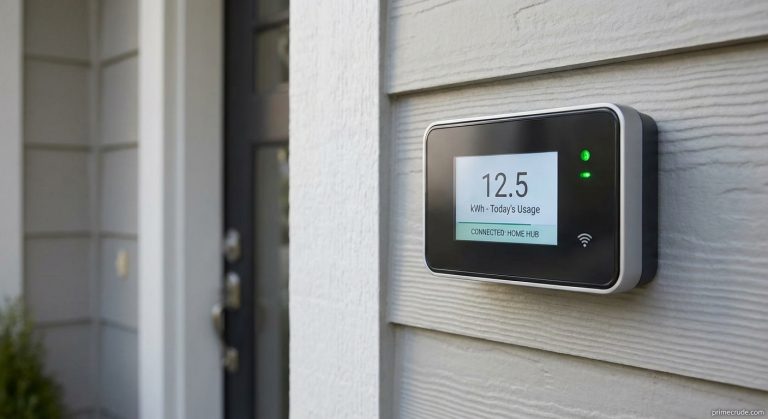
Demand response programs that shift or reduce consumption during grid stress help prevent outages from occurring.
Smart thermostats and other devices enable automated participation.
Advocating for Improvement
Rate cases and utility proceedings offer opportunities for public input. Demanding reliability investment while
accepting rate impacts sends signals to utilities and regulators. Effective advocacy requires understanding
trade-offs.
Voting for politicians who prioritize infrastructure investment and regulatory modernization affects longer-term
policy directions.
Conclusion
America’s electric grid faces fundamental reliability challenges from aging infrastructure, growing demand,
climate-intensified extreme weather, and organizational complexity. These challenges produce the increasingly
frequent outages that disrupt lives and cost economies billions.
Solutions exist: modernization, hardening, battery storage, microgrids, and better coordination. Implementation is
accelerating but not fast enough to prevent continued failures. The investments required are substantial but likely
less than the costs of continued unreliability.
The grid that powered the 20th century requires transformation for the 21st. Whether that transformation occurs fast
enough to match rising demand and climate stress will determine how often Americans sit in the dark waiting for
power to return.
The grid failures making headlines after every extreme weather event are symptoms of decades of
underinvestment meeting accelerating stress—a gap that must close for modern life to function reliably.
About the Author

-768x419.png)