When winter temperatures drop and heating bills climb, homeowners start scrutinizing their fuel options more
carefully. For millions of households, the choice between natural gas and liquefied natural gas (LNG) for home
heating represents a significant financial decision with long-term implications. While both fuels originate from the
same hydrocarbon source, the way they reach your home, how they’re stored, and what they cost differ substantially.
Understanding these differences helps you make an informed choice that aligns with your home’s infrastructure, your
budget, and your local fuel availability.
Natural Gas and LNG Explained
Before comparing costs and efficiency, it’s essential to understand what distinguishes these two heating options.
Natural gas and LNG start as the same substance, primarily methane extracted from underground reservoirs. The
difference lies in how the fuel is processed, transported, and delivered to end users.
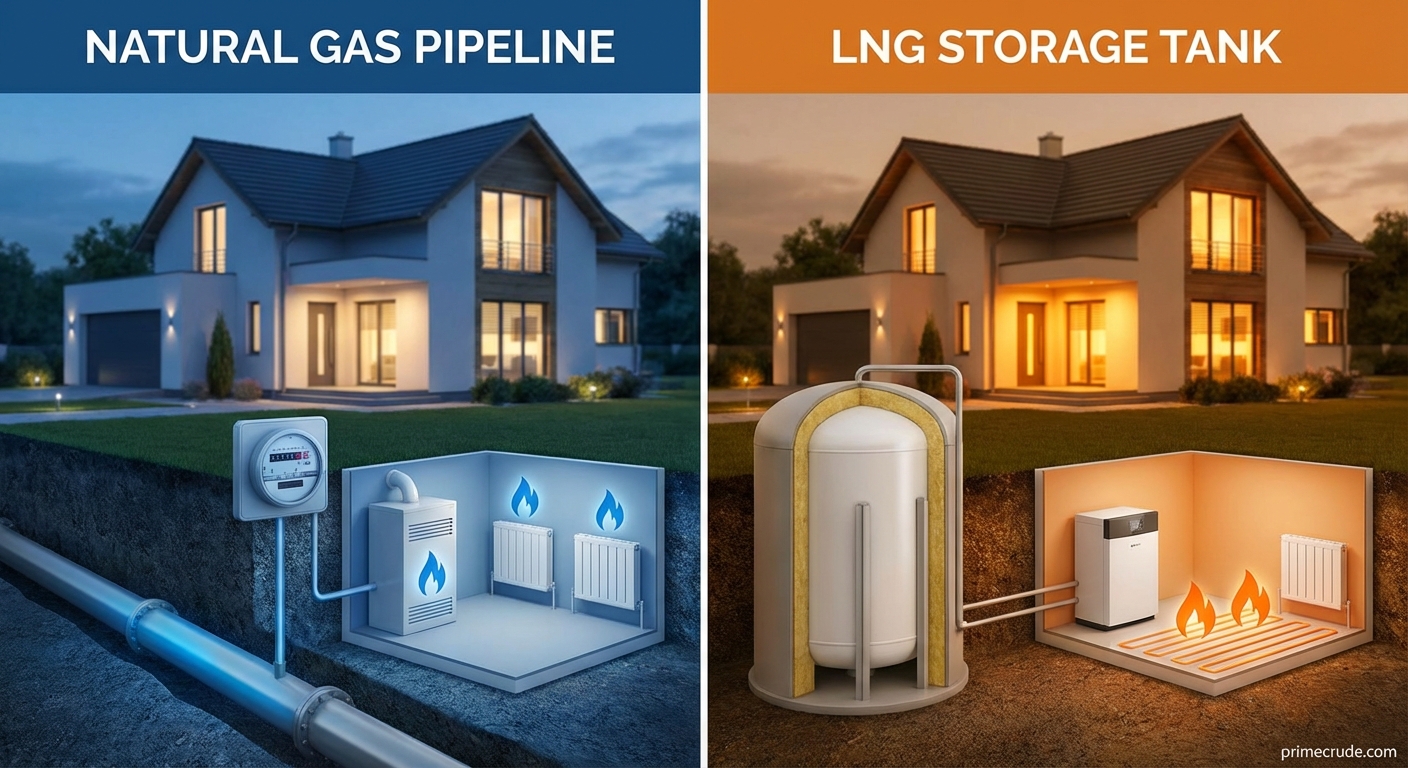
Pipeline natural gas arrives at your home in its gaseous state through an extensive network of underground pipes.
This continuous delivery system means you never need to schedule refills or monitor tank levels. The gas flows
directly from processing plants to local distribution networks and finally into your home’s heating system.
The LNG Transformation Process
LNG, by contrast, is natural gas that has been cooled to approximately -260°F (-162°C), converting it from a gas to
a liquid. This cooling process shrinks the volume by roughly 600 times, making transportation and storage practical
for areas without pipeline access. When LNG reaches its destination, it’s warmed and converted back to gas before
use.
For residential heating, LNG typically arrives by truck and is stored in on-site tanks, similar to propane delivery
systems. This arrangement works well for rural homes and areas where pipeline infrastructure doesn’t exist, though
it requires more active management from homeowners.
Cost Comparison: The Full Picture
Evaluating the true cost of heating fuel requires looking beyond the per-unit price advertised by suppliers.
Installation expenses, equipment requirements, delivery fees, and efficiency differences all factor into the real
cost of keeping your home warm.
Pipeline natural gas remains the cheapest heating fuel in most of North America when measured by the energy content
delivered. As of early 2026, residential natural gas prices average roughly $1.20 per therm (100,000 BTUs) across
the United States, though regional variations are significant. Northeast and West Coast customers typically pay
30-50% more than those in the Gulf Coast or Midwest regions.
LNG Pricing Dynamics
LNG costs are inherently higher than pipeline gas due to the processing, transportation, and handling involved. The
liquefaction process consumes energy, trucks burn diesel making deliveries, and storage tanks require maintenance.
Residential LNG customers in the U.S. typically pay between $2.00 and $3.50 per gallon, which translates to roughly
$2.20 to $3.80 per therm equivalent.
This price difference seems to make pipeline gas the obvious winner, but the calculation isn’t quite that simple.
Many homes that might use LNG don’t have pipeline access, making the comparison theoretical. The real question is
often LNG versus propane, heating oil, or electric resistance heating rather than LNG versus pipeline gas.
Installation and Infrastructure Requirements
The upfront costs of choosing one fuel over another can be substantial, particularly if you’re converting from a
different heating system. These initial investments affect the total economics even if ongoing fuel costs favor one
option.
Connecting to a natural gas pipeline requires proximity to existing infrastructure. If a gas main runs along your
street, connection costs typically range from $1,500 to $3,000, covering the meter installation, pressure regulation
equipment, and the line running to your home. However, if the main is farther away, costs can escalate dramatically.
Extensions of several hundred feet can cost $10,000 or more.
LNG Tank Setup Expenses
LNG installations involve different considerations. Storage tanks, either purchased or leased from the supplier,
represent the primary infrastructure investment. Residential LNG tanks capable of storing 500 to 1,000 gallons
typically cost $1,500 to $4,000 to purchase outright. Many suppliers offer tank leasing programs that reduce upfront
costs in exchange for purchasing fuel exclusively from them.
Beyond the tank itself, LNG installations require vaporization equipment to convert the liquid back to gas before it
enters your home’s heating system. Safety equipment, concrete pads for tank placement, and buried lines connecting
to the house add to installation costs.
Heating System Efficiency Considerations
The efficiency of your heating equipment affects how much fuel you actually need to maintain comfort. Modern
condensing furnaces and boilers can achieve efficiency ratings above 95%, meaning nearly all the fuel’s energy
becomes usable heat. Older equipment might operate at 80% efficiency or less, wasting 20% or more of the fuel’s
potential.
Both pipeline natural gas and regasified LNG work with the same heating equipment. A furnace designed for natural
gas will operate identically whether the gas came through a pipeline or from an LNG tank. This compatibility means
equipment efficiency comparisons don’t favor either fuel source.
Combustion Characteristics
The combustion properties of natural gas remain consistent regardless of how it reached your home. Both sources burn
cleanly with minimal pollutant emissions when equipment is properly maintained and vented. Carbon monoxide
production, the primary safety concern with any combustion heating, depends on equipment condition rather than fuel
source.
One technical distinction exists in the composition of the gas. Pipeline natural gas sometimes contains small
amounts of other hydrocarbons like ethane and propane, while LNG is often purer methane after processing. This
difference has minimal practical impact on residential heating equipment but occasionally affects burner tuning.
Availability and Geographic Considerations
Your location determines which options are practically available. Natural gas pipelines serve most urban and
suburban areas in North America, covering roughly 70 million households in the United States alone. However, rural
areas, recently developed communities, and regions with difficult terrain often lack pipeline infrastructure.
LNG delivery, by contrast, can reach any location accessible by truck. This flexibility makes LNG an option for
rural homes, island communities, and developing areas where pipeline construction hasn’t occurred. The tradeoff is
the need for on-site storage and periodic deliveries rather than continuous supply.
Regional Price Variations
Geography affects pricing as well as availability. Natural gas prices in the Pacific Northwest and New England run
significantly higher than in Texas or Louisiana, closer to the supply sources. These regional differences can narrow
or even reverse the cost advantage of pipeline gas in some markets.
LNG pricing shows less regional variation within areas served by the same supplier, though delivery distances still
affect costs. Very remote locations face premium pricing due to the logistics of truck delivery, while areas with
robust LNG distribution networks offer more competitive rates.
Supply Reliability and Security
Heating fuel reliability matters enormously during winter weather events when demand peaks and supply systems face
stress. Pipeline natural gas and LNG offer different risk profiles that homeowners should consider.
Pipeline systems provide continuous supply under normal conditions but face vulnerabilities during extreme events.
The 2021 Texas winter storm demonstrated how pipeline capacity constraints and wellhead freeze-offs can interrupt
natural gas delivery precisely when heating demand is highest. Millions of homes lost gas service during the crisis,
some for days.
LNG Storage Advantages
LNG’s on-site storage provides a buffer against supply disruptions. A full 500-gallon tank holds roughly 10-15 days
of heating fuel for an average home during winter, depending on climate and home efficiency. This reserve means
short-term supply chain disruptions won’t immediately leave you without heat.
However, LNG customers face different risks. Delivery truck access during snowstorms can be compromised, and failure
to schedule timely refills can leave tanks empty. Responsible LNG customers monitor their tank levels and schedule
deliveries well before running low.
Environmental Impact Assessment
Homeowners increasingly consider environmental factors when choosing heating fuels. Natural gas, whether delivered
by pipeline or as LNG, produces roughly half the carbon dioxide emissions of heating oil when burned. This advantage
makes gas heating an improvement over oil from a climate perspective.
The LNG supply chain does carry additional environmental costs compared to direct pipeline delivery. Liquefaction
plants consume significant energy, typically natural gas itself, adding to the overall carbon footprint.
Transportation by truck contributes diesel emissions. These factors partially offset gas’s inherent advantage over
other fossil fuels.
Methane Leakage Concerns
Recent research has highlighted methane leakage as a significant environmental issue for natural gas systems.
Methane is a potent greenhouse gas, roughly 80 times more effective at trapping heat than carbon dioxide over a
20-year period. Pipeline systems and production facilities leak small percentages of the gas they handle, reducing
the climate benefit of switching from higher-carbon fuels.
LNG systems have different leakage profiles. The liquefaction and regasification processes are generally
well-controlled, but boil-off during storage and delivery can release some methane. On balance, lifecycle emissions
from LNG are modestly higher than pipeline gas but lower than heating oil or propane.
Practical Considerations for Homeowners
Beyond pure economics, practical factors influence which heating fuel works best for particular situations. Space
requirements, maintenance needs, and lifestyle considerations all matter.
Pipeline gas requires essentially no homeowner attention once installed. The fuel appears automatically, bills
arrive monthly, and unless equipment malfunctions occur, the system demands nothing. This hands-off operation suits
homeowners who prefer minimal involvement with their heating infrastructure.
LNG Management Requirements
LNG requires more active management. Monitoring tank levels, scheduling deliveries before running out, and
maintaining access for delivery trucks all require attention. Winter storms that block driveways can delay
deliveries, creating potential problems for homeowners who haven’t planned ahead.
Tank placement also requires consideration. LNG tanks need outdoor installation in approved locations away from
buildings, property lines, and ignition sources. Smaller lots may struggle to accommodate tanks meeting safety
setback requirements.
Conversion Economics: Switching Fuels
Homeowners considering switching from one heating fuel to another face specific economic calculations. The
investment required to convert and the time needed to recoup that investment through fuel savings determine whether
switching makes financial sense.
Converting from LNG to pipeline natural gas, when pipeline access is available, typically costs $3,000 to $7,000
including connection fees and any necessary equipment modifications. If the annual fuel cost difference is $800, the
investment pays back in four to nine years. For homeowners planning to remain in their homes long-term, this
conversion often makes sense.
Converting from Other Fuels
Switching from heating oil, propane, or electric resistance heating to natural gas or LNG requires similar analysis.
New furnaces or boilers, fuel storage (for LNG), and connection infrastructure add up to significant investments.
The payback period depends on fuel price differences in your specific market.
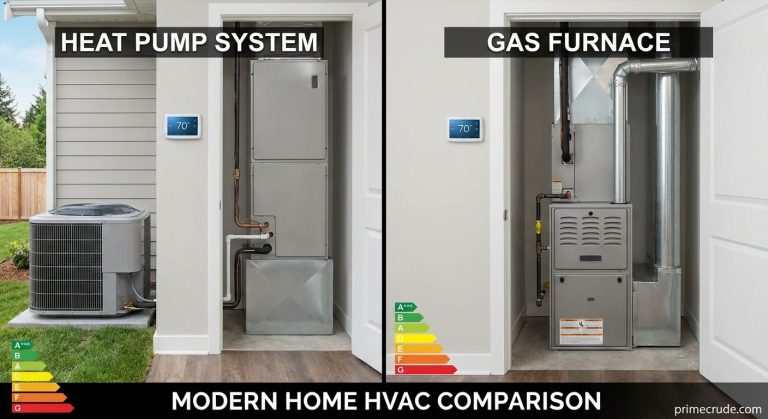
Heat pumps represent an increasingly competitive alternative that changes the conversion calculus. Modern
cold-climate heat pumps can heat homes efficiently even in freezing temperatures, potentially offering lower
operating costs than any combustion fuel. Before committing to natural gas or LNG, homeowners should evaluate heat
pump economics for their specific situation.
Future Outlook for Both Fuel Options
Projecting future fuel costs and availability helps inform long-term infrastructure decisions. Both natural gas and
LNG face evolving market conditions and regulatory environments that will affect their value proposition for
residential heating.
Natural gas prices in North America are expected to remain relatively stable over the coming decade, supported by
abundant domestic production. The shale gas revolution transformed the U.S. into the world’s largest producer,
creating a supply cushion that moderates price volatility. However, growing LNG export capacity ties domestic prices
more closely to international markets, potentially introducing new volatility.
Regulatory and Policy Trends
Climate policies increasingly target natural gas for residential heating. Several states and municipalities have
enacted or proposed bans on gas connections in new construction. While these rules don’t affect existing homes
immediately, they signal a potential long-term shift away from combustion heating.
LNG faces less regulatory scrutiny as a niche product serving areas without alternatives. However, the broader trend
toward electrification of heating affects LNG’s future market just as it does pipeline gas. Homeowners in areas with
strong decarbonization policies should factor potential future restrictions into their fuel choice decisions.
Making the Right Choice for Your Situation
Choosing between natural gas and LNG ultimately depends on your specific circumstances. Neither option is
universally superior, and the right choice varies based on location, existing infrastructure, budget, and
priorities.
If pipeline natural gas is available and connection costs are reasonable, it typically offers the lowest operating
costs and most convenient operation. The continuous supply and minimal maintenance requirements make pipeline gas
attractive for most urban and suburban homeowners who aren’t planning major electrification moves.
When LNG Makes Sense
LNG becomes the logical choice when pipeline access doesn’t exist or connection costs are prohibitive. Rural
homeowners, those in developing areas, and households on large lots far from gas mains often find LNG their best
fossil fuel option. Compared to propane or heating oil, LNG typically offers competitive pricing with cleaner
combustion.
Some homeowners choose LNG specifically for the energy security of on-site storage. The 2021 Texas crisis and
occasional pipeline supply disruptions elsewhere have heightened awareness of supply vulnerabilities. A tank on your
property provides assurance that short-term emergencies won’t leave you without heat.
Conclusion
The natural gas versus LNG decision for home heating isn’t simply about finding the cheapest fuel. While pipeline
natural gas generally costs less per unit of energy delivered, availability, infrastructure requirements, and
practical considerations complicate the choice. Many homes don’t have practical access to pipeline gas, making LNG
the appropriate gas-based heating option.
For homeowners evaluating their heating systems, the key is analyzing total costs over the expected period of
ownership. Installation expenses, ongoing fuel costs, maintenance requirements, and equipment efficiency all factor
into the real cost of comfort. Regional fuel prices, which vary substantially across North America, significantly
influence which option delivers better value in your specific market.
As the energy landscape evolves with increasing focus on electrification and heat pumps, today’s fuel infrastructure
decisions carry additional uncertainty. Investing heavily in gas-based heating may or may not prove optimal over a
20-year equipment lifespan. Homeowners should consider this uncertainty while making practical decisions based on
today’s available options and costs.
Understanding your specific situation, local fuel costs, and available infrastructure is the foundation for
making a heating fuel choice that keeps you comfortable while respecting your budget.
About the Author