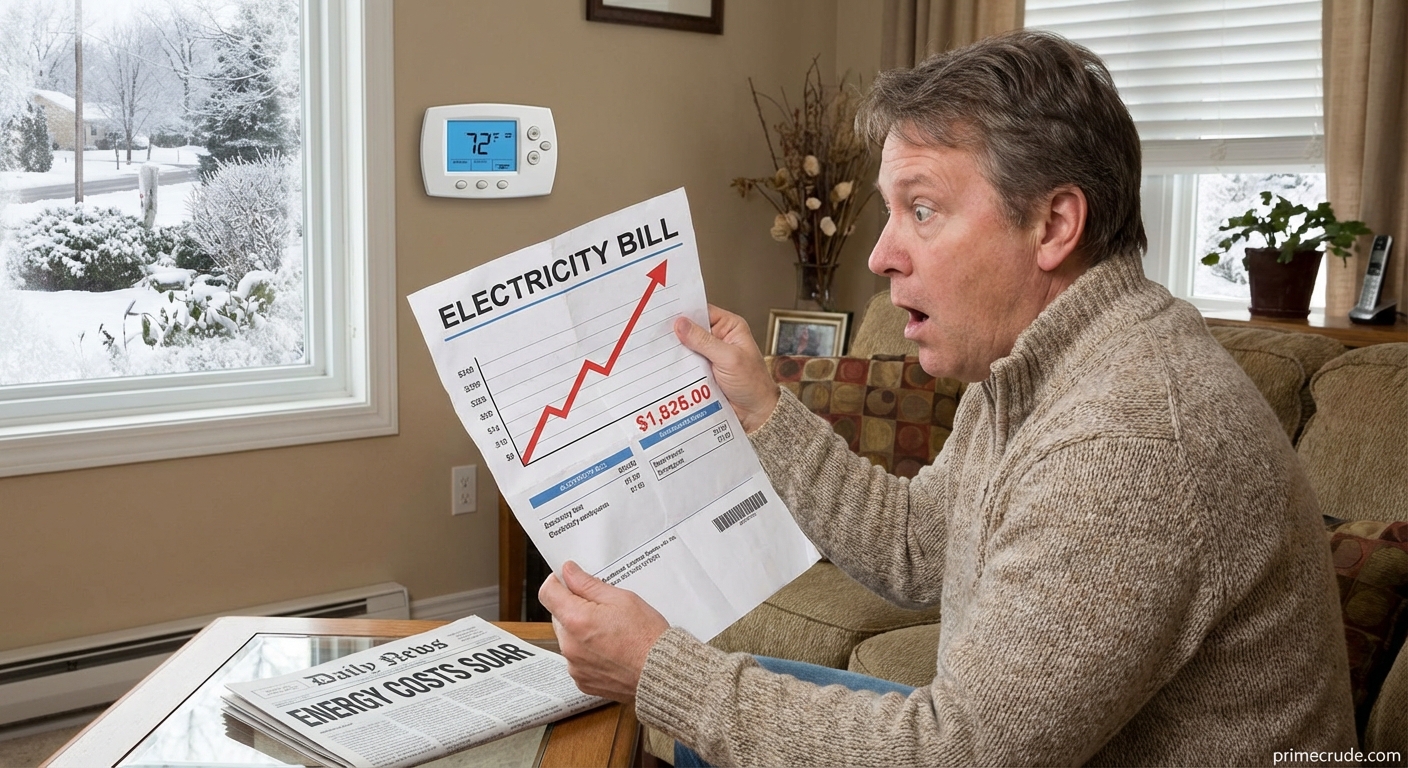
Every winter, millions of households open their utility bills with dread, confronting charges that seem impossibly
high compared to mild-weather months. The sticker shock feels almost personal—surely the utility is taking
advantage? Yet the price spikes reflect genuine market forces that drive wholesale electricity costs sharply higher
during cold weather. Understanding why electricity becomes so expensive during winter reveals the complex interplay
between supply constraints, demand surges, fuel costs, and infrastructure limitations that create predictable but
painful seasonal volatility. This knowledge won’t reduce your bill, but it explains why your utility claims it’s
charging fair prices even when those prices double or triple. Armed with this understanding, you can make informed
decisions about energy usage, efficiency investments, and even whether your rate structure makes sense for your
consumption patterns.
How Electricity Pricing Actually Works
Most consumers think of electricity as a product with a fixed price, like a gallon of milk. In reality, wholesale
electricity prices change constantly—sometimes every five minutes—based on supply and demand conditions. Your
utility buys power in these wholesale markets and translates volatile wholesale costs into the retail rates you pay.
The prices you see on your bill represent averages across billing periods, smoothing the dramatic swings that occur
in real-time markets. During a winter cold snap, wholesale electricity might cost 10 or 20 times the normal price
for a few hours. Your bill reflects these expensive periods mixed with cheaper times, but extreme events can
significantly raise average costs.
Real-Time Market Dynamics
Electricity cannot be stored economically at scale, so supply must constantly match demand. When demand exceeds
available supply, prices spike to encourage generators to produce more and consumers to use less. This price signal
mechanism works instantly but creates the volatility consumers find frustrating.
During winter peak demand periods—typically cold mornings when heating systems run full blast while people cook
breakfast and get ready for work—electricity prices can rise tenfold within minutes. These price spikes, while
brief, contribute significantly to monthly costs.
Demand Surges in Cold Weather
Winter electricity demand rises dramatically in regions with significant electric heating. Heat pumps, electric
furnaces, and baseboard heaters consume substantial power. Even homes heated primarily by natural gas or oil use
electric fans, controls, and supplemental heating that increase consumption.
The relationship between temperature and heating demand is non-linear. When temperatures drop from 30°F to 20°F,
heating demand increases proportionally. But when temperatures fall from 20°F to 10°F, the increase accelerates as
buildings lose heat faster through walls, windows, and infiltration.
All-Electric Homes Feel It Most
Homes relying entirely on electricity for heating see the most dramatic winter bill increases. A heat pump that
typically costs $100 monthly might cost $300-400 during an unusually cold month. Older electric resistance heating
systems cost even more.
Regional differences matter significantly. Florida’s mild winters produce minimal heating demand, while New
England’s electric heating costs can exceed comfortable levels for many households. The electrification trend—moving
away from fossil fuel heating—may increase winter electricity demand further.
Natural Gas Price Pass-Through
Even if you don’t heat with electricity, natural gas prices significantly affect electricity costs. Gas-fired power
plants provide much of America’s electricity, particularly during peak demand periods. When natural gas prices rise,
electricity prices follow.
Natural gas prices themselves spike during cold winters. Heating demand depletes storage, increasing competition
between power plants and home heating for available supply. The price increases ripple through electricity markets
even in regions dominated by other generation sources.
The 2021-2022 Winter Price Emergency
Winter 2021-2022 illustrated extreme gas-electricity price linkages. Natural gas prices rose to multi-year highs as
global supply tightened and cold weather increased heating demand. Electricity prices in many regions reached levels
that seemed unthinkable, with some utilities implementing massive temporary rate increases.
Consumers who’d signed fixed-rate electricity contracts escaped immediate pain, while those on indexed or variable
rates faced shocking bills. The episode highlighted how fossil fuel price volatility affects electricity costs
regardless of individual heating choices.
Supply Constraints During Peak Demand
While demand rises during winter, electricity supply often falls. Power plants need maintenance; some schedule
outages for winter when air conditioning load is absent. Cold weather can force unexpected shutdowns when equipment
freezes, fuel delivery is disrupted, or other problems emerge.
The Texas winter storm disaster of 2021 provided an extreme example. An unprecedented cold snap knocked offline
roughly 40% of the state’s generating capacity. Natural gas production fell as wellheads froze. Wind turbines iced
up. The combination of collapsing supply and spiking demand pushed wholesale prices to the market cap of $9,000 per
megawatt-hour—normally prices run $20-50.
Renewable Generation Variability
Regions with significant wind and solar capacity face additional winter challenges. Shorter days reduce solar
generation precisely when heating demand peaks. Wind can be strong during winter storms but inconsistent overall.
When renewable output falls short, expensive fossil fuel plants must fill the gap.
This doesn’t mean renewables are problematic—they provide cheap power most of the time. But their variability
contributes to price volatility when backup generation must run at premium prices during shortfalls.
Your Rate Structure Matters
How your utility structures rates significantly affects your winter bill. Understanding rate components helps
identify savings opportunities and explains why neighbors with similar homes might pay very different amounts.
Most residential customers pay flat rates—the same price per kilowatt-hour regardless of when or how much they
consume. Flat rates provide billing simplicity but don’t reflect actual cost variations. You pay the same whether
you use power at 3 AM when it’s cheap or 7 AM when it’s expensive.
Time-of-Use Rates
Time-of-use rates charge different prices at different times, reflecting when electricity actually costs more to
supply. These rates typically feature expensive peak periods, moderate shoulder periods, and cheap off-peak periods.
Customers who can shift consumption to off-peak times save money.
Winter time-of-use rates often define morning hours as peak periods, reflecting heating demand patterns. Running
your dishwasher at 10 PM instead of 7 AM might cost half as much. Programmable thermostats that pre-heat homes
during off-peak hours can capture savings.
Fixed vs. Variable Rate Plans
In deregulated electricity markets, consumers choose between fixed and variable rate plans. Fixed-rate plans lock in
prices for a contract term—typically one to three years—providing predictability regardless of market conditions.
Variable-rate plans adjust monthly or even weekly based on wholesale market prices. These plans offer lower average
prices during mild conditions but expose customers to potentially extreme bills during price spikes.
The Risk-Reward Tradeoff
Choosing between fixed and variable rates involves risk tolerance. Risk-averse customers prefer fixed rates even if
they cost somewhat more on average. Those comfortable with volatility can save money with variable rates over time
while accepting occasional painful months.
The worst possible outcome is a variable rate during an extreme winter like 2021. Some Texas customers received
$5,000+ monthly bills. The potential for such events makes fixed-rate premium worthwhile for many households.
| Rate Type | Winter Bill Predictability | Average Cost | Risk Level |
|---|---|---|---|
| Fixed Rate | High (stable pricing) | Slightly higher | Low |
| Variable Rate | Low (market-driven) | Lower average | High during winter |
| Time-of-Use | Medium (behavior-dependent) | Varies by usage pattern | Medium |
| Tiered Rate | Medium (usage-dependent) | Varies by consumption | Medium |
The Role of Utility Infrastructure
Your utility bill includes more than just electricity commodity costs. Transmission and distribution charges cover
the wires, transformers, and other equipment that deliver power to your home. These charges remain relatively stable
but represent a larger share of the bill when commodity prices are low.
During winter demand peaks, transmission systems face stress. Lines that handle normal loads comfortably may
approach capacity limits during extreme cold. Utilities manage these constraints through planning and operating
practices, but infrastructure limitations can prevent cheap distant power from reaching constrained areas.
Demand Charges for Some Customers
Commercial and some residential customers face demand charges based on their peak usage during billing periods. A
single hour of extremely high consumption—like an electric heating system running during a cold snap while other
appliances operate—can significantly increase bills regardless of total energy consumed.
Understanding demand charges helps customers manage peak usage. Running high-draw appliances sequentially rather
than simultaneously, or shifting flexible loads to off-peak times, can reduce demand charges substantially.
What You Can Actually Do
While you can’t control wholesale electricity prices, you can take actions to reduce winter bill impacts. Some
measures require investment; others simply require awareness and behavioral changes.
Weatherization—improving insulation, sealing air leaks, upgrading windows—reduces heating energy needs regardless of
fuel source. These improvements pay dividends every winter for decades. Many utilities and government programs offer
incentives or financing for efficiency upgrades.
Smart Thermostat Strategies
Programmable and smart thermostats save money by reducing heating when you’re asleep or away. Setting temperatures
lower during peak rate periods—if your rate structure has them—can yield significant savings without sacrificing
comfort during occupied hours.
The “pre-heating” strategy involves heating your home to comfortable temperatures during cheap off-peak hours, then
letting the temperature coast during expensive peak periods. Thermal mass in the home maintains comfort while
avoiding peak prices.
Rate Structure Optimization
Review whether your current rate structure matches your usage patterns. If you can shift consumption to off-peak
hours, time-of-use rates might save money. If your usage is inflexible, flat rates may work better. Variable rates
reward flexibility but punish fixed schedules.
In deregulated markets, shopping for electricity plans annually can yield savings. Rates vary significantly between
providers, and promotional offers may reduce costs. Comparison websites specific to your market facilitate easy
shopping.
Industry Trends Affecting Winter Volatility
Several trends may affect future winter electricity price volatility. The growing share of renewable generation
increases variability but typically reduces average prices. Natural gas prices remain volatile and heavily influence
electricity costs in most regions.
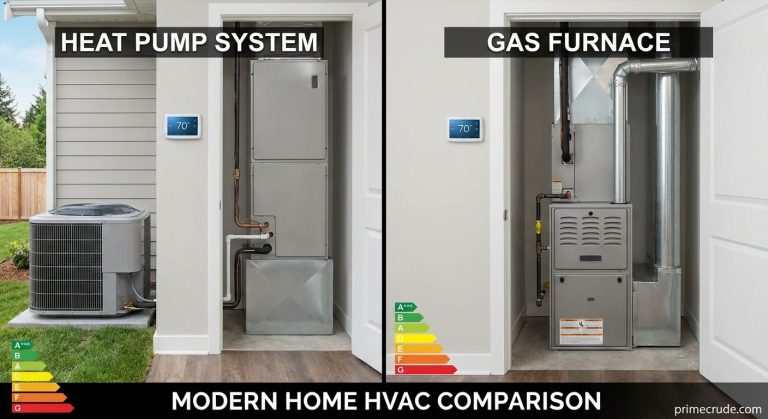
Electrification of heating—replacing gas furnaces with heat pumps—will increase winter electricity demand. Grid
planners are preparing for this shift, but the transition may create stress during cold snaps as electrical heating
load grows faster than generating capacity.
Battery Storage Growth
Battery storage can reduce price volatility by storing cheap power for later use during expensive periods. As
storage capacity grows, the extreme price spikes that contribute most to winter bill increases may moderate.
However, current storage capacity remains small relative to peak demand differences.
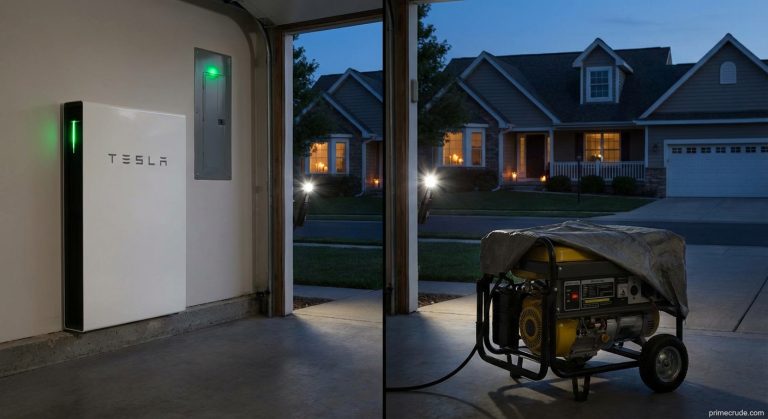
Home batteries allow individual households to capture these benefits, charging during cheap periods and discharging
during expensive ones. The economics improve with time-of-use rates but remain challenging for most households at
current battery prices.
Conclusion
Winter electricity bills double because the underlying costs of providing electricity genuinely rise during cold
weather. Spiking demand, constrained supply, elevated fuel costs, and stressed infrastructure combine to push
wholesale prices higher. Your utility passes these costs through even though retail rates smooth extreme peaks.
Understanding these dynamics won’t reduce your bill but can inform decisions about rate structures, equipment
investments, and usage patterns that improve your financial position. The choice between fixed and variable rates,
investment in efficiency improvements, and attention to peak usage periods all affect bottom-line costs.
As the grid evolves with more renewables, storage, and electric heating, winter price patterns will change—though
whether they become more or less volatile remains uncertain. Staying informed about electricity markets and your
utility’s offerings helps navigate this evolving landscape.
Your winter electricity costs reflect genuine market forces beyond anyone’s control, but informed choices
about rates, efficiency, and usage patterns put you in the best possible position to manage them.
📋 Educational Disclaimer
This article is provided for educational and informational purposes only. It does not constitute financial,
investment, or professional advice. Energy markets are complex and volatile.
Before making any investment or trading decisions, consult with qualified financial advisors who understand your
specific situation and risk tolerance. Past market performance does not guarantee future results.
The information presented here is general in nature and may not be suitable for your particular circumstances.
About the Author