As nations work to decarbonize their energy systems, one of the most stubborn challenges is heating the hundreds of
millions of buildings that currently burn natural gas. Electric heat pumps offer one solution, but a growing chorus
of voices promotes a different path: replacing natural gas with hydrogen produced from renewable electricity. This
“green hydrogen” could theoretically flow through existing gas pipelines to home furnaces and boilers with minimal
modification. Is residential hydrogen heating practical, affordable, and coming soon? Or is it an expensive
distraction from more proven alternatives? The answer matters enormously for homeowners, utilities, and policymakers
planning energy transitions that will unfold over decades.
Understanding Green Hydrogen Basics
Hydrogen isn’t a fuel source in the traditional sense. Unlike natural gas or oil, which we extract from the ground,
hydrogen must be manufactured using energy from other sources. How you produce hydrogen determines its environmental
impact, with color-coded labels distinguishing different production methods.
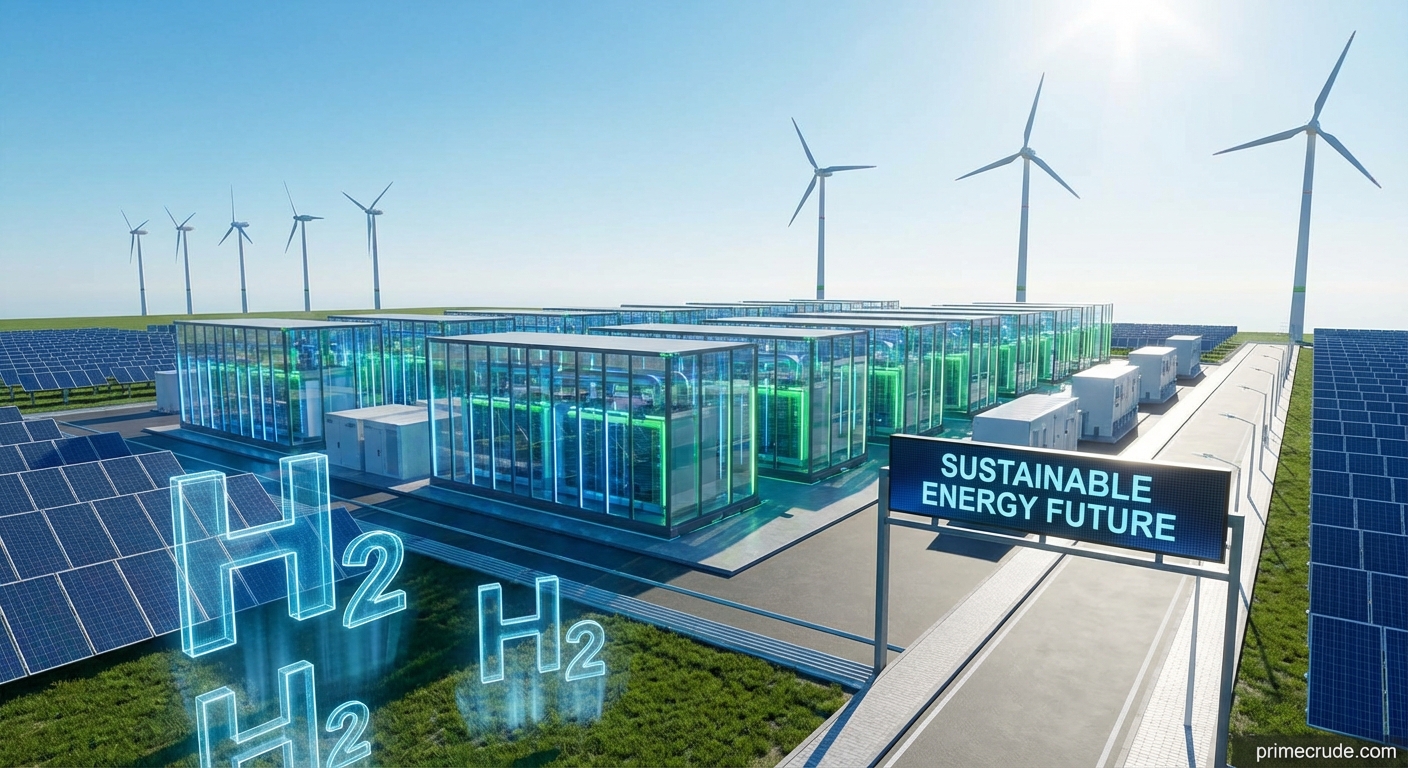
Green hydrogen uses renewable electricity to split water molecules (H2O) through a process called electrolysis. The
hydrogen and oxygen separate; the hydrogen becomes fuel while the oxygen is simply released. Because the electricity
comes from wind, solar, or other renewables, and the only byproduct of water is oxygen, green hydrogen is
effectively carbon-free.
Other Hydrogen Colors
Gray hydrogen, currently the dominant form, comes from steam reforming natural gas. This process releases
substantial carbon dioxide. Blue hydrogen adds carbon capture to gray hydrogen production, reducing but not
eliminating emissions. Turquoise hydrogen uses methane pyrolysis to produce hydrogen and solid carbon. Each color
represents different cost and carbon tradeoffs.
For residential heating to deliver genuine climate benefits, the hydrogen used must be green or at minimum
low-carbon. Using gray hydrogen in home furnaces would actually increase emissions compared to burning natural gas
directly, defeating the purpose of the switch.
How Hydrogen Heating Would Work
In theory, hydrogen could replace natural gas in home heating with relatively modest changes. Hydrogen burns with a
hot, nearly invisible flame that can heat air or water in furnaces and boilers similar to current equipment. Some
existing gas infrastructure can handle hydrogen with modifications; purpose-built hydrogen equipment works even
better.
The basic concept involves producing hydrogen at large facilities using renewable electricity, transporting it
through pipeline networks, and burning it in home appliances. When hydrogen burns, it combines with oxygen to
produce water vapor and heat—no carbon dioxide, no carbon monoxide, no particulates that natural gas combustion
creates.
The Blending Approach
Rather than a complete switch, many utilities are testing hydrogen blends—adding hydrogen to natural gas streams at
5-20% by volume. This approach uses existing infrastructure and appliances with minimal modification. The blended
gas burns slightly differently but remains compatible with standard equipment.
Blending provides a transitional path that lets infrastructure and appliances evolve gradually. However, blending at
low percentages delivers only modest emissions reductions. A 20% hydrogen blend reduces carbon emissions by only
about 7% because hydrogen has lower energy density than natural gas. Substantial decarbonization requires much
higher hydrogen concentrations or complete conversion.
Infrastructure Challenges
Moving from pilot projects to widespread residential hydrogen heating requires massive infrastructure development
that doesn’t currently exist. The challenges span production, transmission, distribution, and end-use
equipment—essentially the entire energy value chain.
Production scale presents the most immediate obstacle. Current global green hydrogen production is measured in
thousands of tons annually. Heating a substantial fraction of homes currently using natural gas would require
millions of tons. Building the renewable electricity generation and electrolyzer capacity for this scale requires
trillions of dollars of investment over decades.
Pipeline Compatibility Questions
Existing natural gas pipelines pose uncertain compatibility with hydrogen. Steel pipes can suffer hydrogen
embrittlement, where hydrogen molecules penetrate the metal and cause cracking. Many modern pipelines use materials
that handle hydrogen better, but aging infrastructure may require replacement.
The distribution network—smaller pipes running under streets and into homes—faces similar questions. Older systems
often include materials that may not safely carry hydrogen. Upgrading this last-mile infrastructure represents an
enormous undertaking in densely built areas.
Storage Complexity
Storing hydrogen at scale proves more challenging than natural gas storage. Underground salt caverns can store
hydrogen, but fewer suitable sites exist compared to natural gas storage. The same volume of storage holds roughly
three times less energy when filled with hydrogen versus natural gas due to hydrogen’s lower volumetric energy
density.
Seasonal storage to handle winter heating demand peaks requires massive capacity. Whether sufficient geological
storage exists for a hydrogen heating economy remains uncertain and varies greatly by region.
Efficiency Concerns: The Electric Alternative
The most fundamental challenge facing hydrogen heating isn’t infrastructure—it’s physics. Converting electricity to
hydrogen and back to heat loses energy at each step. Electric heat pumps, by contrast, use electricity to move heat
rather than create it, achieving efficiencies of 300-400%.
Consider a unit of renewable electricity. Used directly in a heat pump, it might deliver 3-4 units of heat energy
into a home. Used to make green hydrogen that’s then burned for heat, it might deliver only 0.5-0.6 units of heat.
The hydrogen pathway wastes 80-85% of the original renewable electricity.
The Renewable Electricity Constraint
This efficiency gap matters enormously because renewable electricity remains constrained. Every kilowatt-hour used
inefficiently for hydrogen heating is unavailable for more efficient uses. A world building limited renewable
capacity should prioritize applications where hydrogen offers unique advantages—heavy industry, shipping,
aviation—rather than heating where alternatives exist.
Advocates counter that renewable electricity will eventually become abundant and cheap enough that efficiency
matters less. They argue that some buildings are difficult to retrofit for heat pumps, and hydrogen offers a path
for those cases. The debate continues between those prioritizing theoretical flexibility and those emphasizing
near-term efficiency.
Real-World Pilot Projects
Despite challenges, hydrogen heating pilots are underway in several countries. The UK has been particularly active,
with projects in Scotland and Northern England testing hydrogen delivery and equipment in actual homes. These pilots
provide invaluable real-world data on performance, safety, and consumer acceptance.
The HyDeploy project demonstrated blending up to 20% hydrogen into natural gas networks serving several hundred
homes. Participants reported no noticeable difference in heating performance. Similar blending tests in France,
Germany, and Australia have shown comparable results.
The H21 Program
The UK’s H21 program envisions converting the city of Leeds to 100% hydrogen heating. Extensive engineering studies
have assessed the feasibility of converting the existing gas network and transitioning appliances. The program
represents the most detailed examination of full conversion anywhere in the world.
H21’s technical findings suggest conversion is possible but expensive. The economics depend heavily on future green
hydrogen costs and carbon pricing for alternatives. Whether the program proceeds to implementation remains a
political decision that balances cost, emissions reductions, and alternative pathways.
Appliance Considerations for Homeowners
Switching to hydrogen heating would require either modifying or replacing home furnaces, boilers, and other gas
appliances. The extent of modification depends on the hydrogen concentration and specific equipment involved.
Low-percentage blends (under 20%) generally work with existing appliances, though some manufacturers recommend
inspection and possible burner adjustment. Higher concentrations require more significant modifications or
purpose-built hydrogen appliances.
Hydrogen-Ready Boilers
Some boiler manufacturers now offer “hydrogen-ready” models designed to work with both natural gas and hydrogen.
These appliances need only minor modifications to switch fuels, protecting homeowners from having to buy entirely
new equipment when hydrogen becomes available.
Whether buying hydrogen-ready equipment today makes sense depends on local commitment to hydrogen heating. In
regions actively pursuing hydrogen conversion, the modest premium for compatible equipment may pay off. Where heat
pumps or continued natural gas use seem more likely, the premium may be wasted.
Safety Considerations
Hydrogen presents different safety characteristics than natural gas. It’s more flammable across a wider range of air
concentrations. It burns with a nearly invisible flame. It’s lighter than air and disperses quickly, which can be
advantageous.
Proper equipment design, installation, and ventilation manage these differences. Natural gas safety wasn’t inherent
either—it took decades of engineering to make gas appliances safe. Hydrogen appliances can achieve comparable safety
but require adherence to new standards and practices.
Cost Projections and Uncertainties
What would hydrogen heating cost homeowners? Estimates vary wildly depending on assumptions about green hydrogen
production costs, infrastructure investments, and carbon pricing of alternatives.
Current green hydrogen costs roughly $4-8 per kilogram, equivalent to natural gas at $30-60 per million BTUs—several
times current residential gas prices. These costs must fall dramatically for hydrogen to compete economically with
both continued natural gas use and heat pump alternatives.
Future Cost Trajectories
Industry projections suggest green hydrogen costs could fall to $1-2 per kilogram by 2040-2050 as electrolyzer costs
decline and renewable electricity becomes cheaper. At these levels, hydrogen heating might approach parity with
other low-carbon options, though it would still likely cost more than unabated natural gas.
However, these projections carry substantial uncertainty. Electrolyzer manufacturing must scale by orders of
magnitude. Supply chains for critical materials must develop. Renewable electricity must become abundant enough that
allocating it to hydrogen production makes sense.
Comparing Hydrogen to Alternative Futures
Evaluating hydrogen heating requires comparing it to realistic alternatives rather than judging it in isolation. The
main competitors are continued natural gas use (with or without carbon pricing), electric heat pumps, and district
heating from various sources.
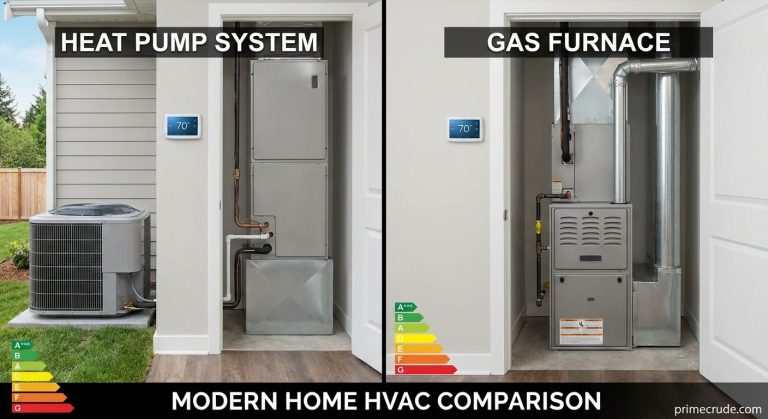
Heat pumps currently offer the most efficient path to decarbonizing heating. Modern air-source heat pumps work well
in most climates and cost less to operate than resistance electric heating or hydrogen at current prices.
Ground-source heat pumps offer even better efficiency where installation is practical.
Where Hydrogen Might Win
Hydrogen heating might make sense in specific niches:
- Buildings extremely difficult to retrofit for heat pumps
- Regions with severe cold where heat pumps lose efficiency
- Areas with abundant cheap renewable electricity and hydrogen production capacity
- Industrial areas where hydrogen is produced for other purposes and excess is available
These niches might be important but probably don’t justify wholesale conversion of residential heating to hydrogen
where alternatives work well.
Policy and Utility Perspectives
Gas utilities facing potential obsolescence in electrification scenarios have championed hydrogen as a way to
preserve their infrastructure and business models. This self-interest doesn’t necessarily make hydrogen wrong, but
it suggests policy analysis should be independent of utility advocacy.
Some policymakers see hydrogen as offering consumer choice—letting households decide between electrification and
continued gas heating. Others worry that pursuing hydrogen distracts from faster, cheaper electrification pathways
and delays emissions reductions.
Regional Policy Approaches
The UK appears most committed to serious consideration of hydrogen heating. EU policy increasingly favors
electrification while reserving hydrogen for harder-to-decarbonize sectors. U.S. policy remains fragmented, with
some states pursuing building electrification and others supporting continued gas use with minimal hydrogen focus.
These policy differences will shape infrastructure investments over coming decades. Homeowners in different regions
face quite different likely futures for their heating systems.
Timeline for Residential Hydrogen
When might homeowners actually see hydrogen available for heating? Realistic timelines extend much further than
optimistic industry projections suggest.
Through the 2020s, activity will remain limited to pilot projects and low-percentage blending trials. Production,
infrastructure, and equipment simply can’t scale faster. Homeowners won’t face hydrogen-related decisions unless
they live in designated pilot areas.
The 2030s and Beyond
The 2030s might see expanded blending programs in regions with supportive policy and suitable infrastructure. Some
urban networks might attempt higher-concentration conversions. Still, this would affect limited geographies rather
than broad markets.
Widespread residential hydrogen heating, if it happens at all, is a 2040s or 2050s phenomenon. By then, the
technology and cost trajectory of heat pumps will have advanced further. Many buildings will have already
electrified. Hydrogen’s window as a residential heating fuel may close before it fully opens.
What Homeowners Should Do Today
Given the uncertainty about hydrogen heating’s future, what should homeowners considering heating system
replacements do now?
For most homeowners, waiting for hydrogen makes little sense. Heat pumps work well today, offer immediate operating
cost and emissions benefits, and don’t depend on infrastructure that doesn’t exist. Investing in heat pump
technology positions you for a low-carbon future regardless of what happens with hydrogen.
If You’re Sticking with Gas
If heat pump installation isn’t practical for your situation and you’re replacing a gas furnace or boiler, consider
hydrogen-ready equipment where available at modest premium. This preserves options without betting heavily on
hydrogen’s success.
Monitor local policy developments, as some regions may see faster hydrogen development than others. Stay skeptical
of utility claims that hydrogen is imminent—the infrastructure timeline is longer than marketing suggests.
Conclusion
Green hydrogen for home heating represents an intriguing possibility that faces substantial obstacles in cost,
infrastructure, and efficiency. While pilot projects demonstrate technical feasibility, the gap between small
demonstrations and economy-wide deployment remains enormous.
For most homes, electric heat pumps offer a more practical decarbonization path that’s available today rather than
decades hence. Hydrogen may find its role in industrial applications and heavy transport where electrification is
truly difficult, while residential heating follows the more efficient electrical pathway.
Homeowners should view hydrogen heating with interest but not yet reliance. The technology might develop faster than
skeptics expect, or it might remain a niche application. Making heating decisions today based on hydrogen
availability that may never materialize could prove costly.
The promise of green hydrogen heating remains real but distant. Most homeowners are better served by proven
alternatives available now rather than waiting for infrastructure that may take decades to arrive.
About the Author